Capturing wildlife in its natural habitat is about far more than having the right camera, lens, or composition. True mastery comes from understanding animal behavior, observing patterns, anticipating actions, and positioning yourself to tell a story through your images. Michael Brescia explains that those who take the time to study wildlife behavior will consistently produce images that are not only technically sound but emotionally compelling.
The Importance of Behavioral Awareness in Wildlife Photography
Wildlife photography differs fundamentally from studio or controlled-environment photography. In the wild, animals are unpredictable, and their comfort level, energy, and environmental context dictate their movements. Misreading behavior can result in missed shots, or worse, in disturbing the subject and altering its natural actions.
By learning to interpret signs such as posture, vocalizations, feeding patterns, and movement, photographers can anticipate moments of action: a bird preparing to take flight, a deer cautiously crossing a meadow, or a fox alert to its prey. This level of attentiveness ensures that your images capture authentic, in-the-moment behaviors rather than staged or startled reactions.
Start With Observation
Observation is the first and most critical skill in reading animal behavior. Before even raising the camera, spend time simply watching your subject. Note patterns of movement, routines, and interactions with the environment or other animals.
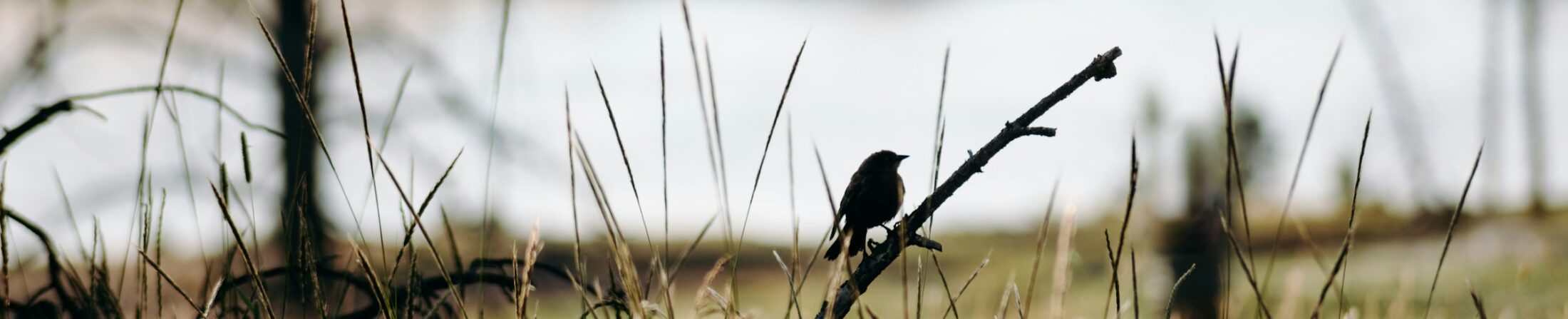
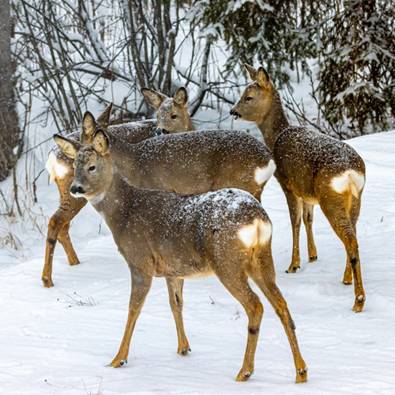
Songbirds, for instance, often follow predictable feeding routes during the morning hours. By noting when and where they are most active, photographers can prepare their equipment and positioning for optimal shots. Similarly, deer or elk have defined grazing patterns and are more likely to move along open spaces during dawn and dusk, providing the best light and angle for photography.
Patience is essential. Sometimes the most striking images emerge from hours of quiet observation. Using binoculars, spotting scopes, or long lenses can help monitor behavior from a distance without disturbing the animals.
Common Behavioral Cues
Certain postures and movements offer clues about an animal’s next actions. Recognizing these cues allows photographers to anticipate and compose shots effectively:
Alertness or Stiffness: When an animal freezes with ears up or eyes wide, it often senses potential danger. This can signal that the subject may flee, giving photographers a short window to capture a reaction shot.
Feeding Behavior: Animals focusing on food sources are often less aware of surrounding threats. A bird pecking at seeds, a fox scavenging, or a deer grazing can allow for close-up shots, provided the photographer maintains a safe distance.
Social Signals: Many species communicate through body language, including tail flicks, wing spreads, or vocalizations. For example, a herd of antelope shifting direction may indicate the approach of a predator, providing insight into potential movement patterns.
Territorial Displays: Predators and territorial birds may exhibit specific behaviors such as chest puffing, tail flicking, or vocal calls to ward off rivals. These are prime opportunities to capture expressive, dynamic images.
Time and Season Matter
Wildlife behavior is often tied to the time of day and season. Understanding these patterns is key to capturing the perfect shot. Many animals are crepuscular, active during dawn and dusk. This coincides with soft natural light, providing both optimal photographic conditions and heightened animal activity.
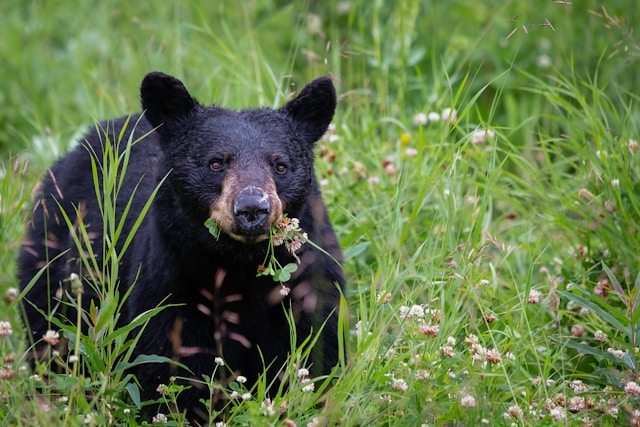
Mating, migration, and hibernation periods also influence behavior. Birds may become more vocal and visible during mating season, while bears or deer may focus on foraging in preparation for winter. Capturing these seasonal behaviors can tell a compelling story about the life cycle of the species.
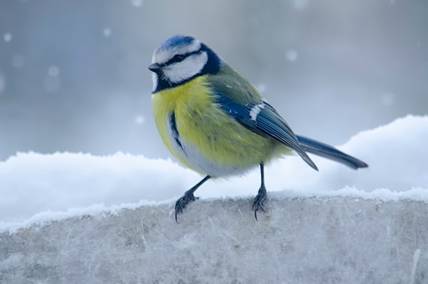
Weather, such as rain or snow may encourage shelter-seeking or playful behavior, while bright sun may cause nocturnal or shade-preferring animals to remain hidden. Observing these patterns over time helps predict movements and optimize shooting windows.
Minimizing Disturbance
A critical component of reading animal behavior is maintaining an ethical distance and minimizing disturbance. Approaching too closely or making sudden movements can alter behavior and compromise your shot. For better photos, try:
Camouflage Clothing: Neutral tones or full camouflage reduce visibility.
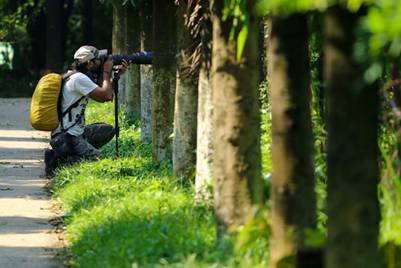
Natural Blinds and Hides: Positioning yourself behind bushes, logs, or portable blinds allows for observation without interference.
Remote Triggers: Motion-activated cameras or remote-controlled shutters enable close-range action shots without risking intrusion.
Understanding and respecting these boundaries ensures that your images remain authentic and that the wildlife’s welfare is prioritized.
Anticipating Action
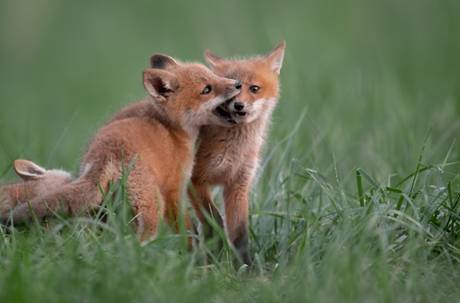
By combining observation and knowledge of behavioral cues, photographers can anticipate an action shot. Anticipation allows for better framing, focus, and exposure adjustments before the decisive moment occurs.
Consider birds preparing to take flight. Common behaviors indicate they often crouch slightly and fan their wings. Recognizing this sequence can help photographers start shooting in burst mode just before the lift-off, increasing the likelihood of capturing a sharp, dynamic image. Similarly, photographing predators often involves anticipating stalking and pounce behaviors. A photographer who understands these subtle signs can prepare the camera and lens to capture the climax of action.
Complementary Gear
While understanding behavior is paramount, the right gear enhances your ability to translate observation into compelling images:
Telephoto Lenses: Essential for photographing skittish or dangerous animals while maintaining a safe distance.
High-Speed Shutter & Burst Mode: Helps freeze motion, especially for flying birds or running deer.
Tripods & Monopods: Provide stability for long lenses and allow for prolonged observation without fatigue.
Silent Shutter Modes: Minimize disturbance to sensitive species.
Field Notes or Apps: Logging behavioral patterns helps refine your understanding and plan future shoots.
Remember, gear alone does not substitute for patience and insight. The camera is a tool; behavioral literacy is the skill that unlocks exceptional wildlife photography.
Learning From Experienced Observers
Wildlife biologists, park rangers, and long-time naturalists can provide invaluable insight into animal behavior. Collaborating with or studying their observations allows photographers to build a mental model of likely behaviors in specific environments. Many wildlife photographers also maintain field journals to record behavioral patterns over time, which serves both as a research tool and a guide for future shoots.
Workshops and guided tours in wildlife reserves provide practical opportunities to observe and photograph species while learning from experts about subtle cues and environmental factors that affect behavior.
Common Mistakes to Avoid
Even seasoned photographers sometimes misread animal behavior, leading to missed opportunities:
Assuming Randomness: Wildlife is not unpredictable; most movements follow logic based on survival instincts.
Over-approaching Subjects: Too close, too fast, or too noisy can spook animals and ruin a potential shot.
Ignoring Environmental Context: Habitat, weather, and season provide vital clues for predicting movement.
Neglecting Observation Time: Jumping straight into shooting without watching behavior often leads to static, uninspiring images.
By avoiding these mistakes, photographers can align technical skill with behavioral intuition for superior results.
Ethics and Storytelling
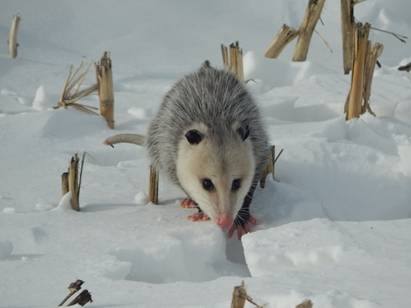
Capturing natural behavior ethically ensures that images reflect the animal’s life without human interference or manipulation. Photos that showcase authentic interactions, feeding, social behavior, or habitat utilization resonate with audiences because they tell a truthful story about the wild.
Turning Natural Behavior Into Stunning Images
Wildlife photography is as much about patience, observation, and interpretation as it is about technical expertise. Understanding animal behavior allows photographers to anticipate action, capture unique moments, and tell stories that go beyond a simple portrait. From the slight tilt of a bird’s head to the alert posture of a deer, every behavioral cue provides a window into the life of your subject.
Combining careful observation, ethical practices, and the right gear ensures that your images are not only visually stunning but also authentically represent the wild world you aim to document.
By honing these skills, photographers don’t just capture animals, they capture life as it unfolds, preserving moments that tell compelling stories of the natural world.