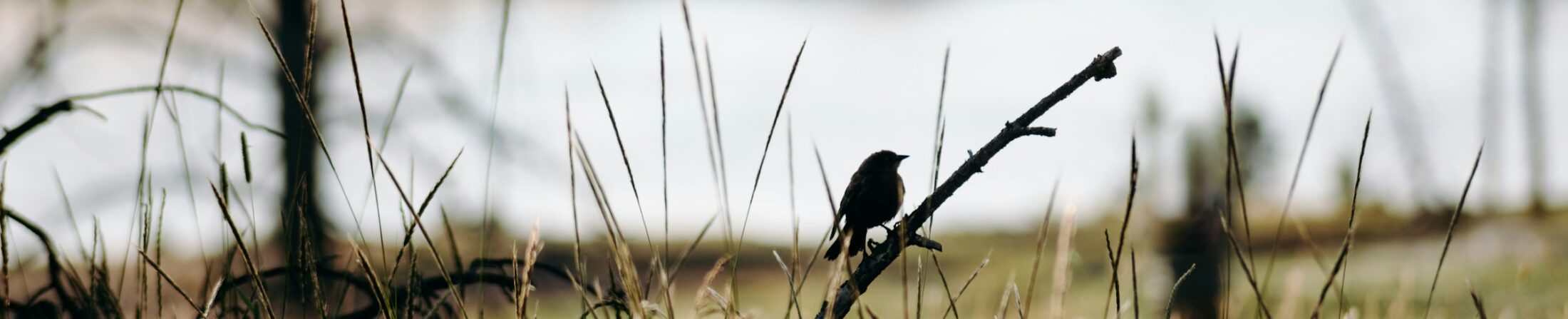
Michael Brescia is a wildlife photographer, naturalist, and storyteller, passionate about capturing the beauty and intricacies of wildlife across the United States. This site is designed for sharing photography tips, field insights, and stories from the wild, meant to inspire anyone who loves nature.
Mike Brescia’s Lifelong Passion for Wildlife Photography
Michael W. Brescia grew up exploring the forests, rivers, and parks of Pennsylvania, where his early experiences in the Boy Scouts helped shape a lasting appreciation for the natural world. Through camping trips, trail hikes, and conservation activities, he developed a deep respect for wildlife and the environments they depend on.
From birds in flight to deer moving quietly through the forest, he was drawn to the challenge of observing and documenting animals in their natural habitats – a passion that would later evolve.
With camera in hand, Brescia decided to take his passion a step further. What began as a personal hobby quickly turned into a focused pursuit, as he spent countless hours learning, studying light, movement, and animal behavior. Over time, he refined his hobby and began producing striking photographs that not only reflected the beauty of nature but were worthy of being shared with a wider audience, turning his passion into a creative mission.
The Power and Purpose of Wildlife Photography
Wildlife photography is more than a creative pursuit; it is a way to document the natural world and share moments that many people may never experience firsthand. Through images, wildlife photographers like Mike Brescia help bridge the gap between people and nature, offering a window into ecosystems, behaviors, and species that often go unnoticed.
In a time when urbanization and digital life increasingly separate people from the outdoors, photography plays a critical role in fostering awareness, appreciation, and respect for nature.
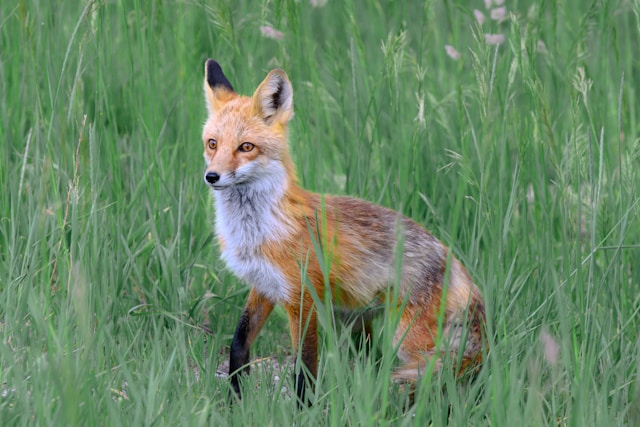
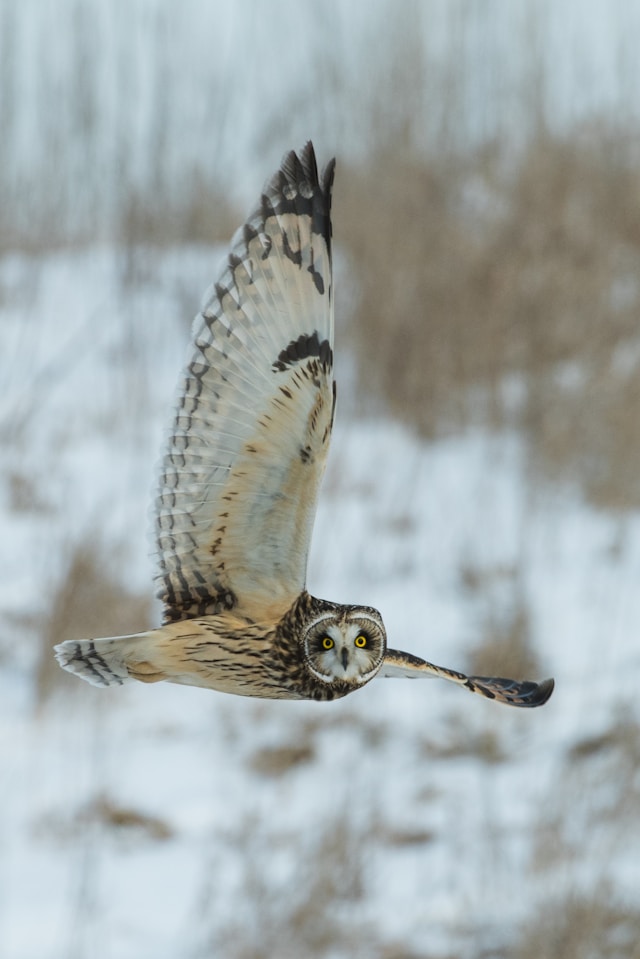
Photographing the natural world requires patience, understanding animal behavior, and spending time in natural spaces without disrupting them. These qualities not only lead to stronger images but also cultivate a deeper relationship with the environment. By capturing animals in their natural habitats, photographers preserve fleeting moments, such as an eagle’s dive, a cautious deer’s steps, or a bird mid-flight, that tell a larger story about survival, adaptation, and balance in nature.
Inspiring Conservation
One of the most important contributions of wildlife photography is its ability to inspire conservation. Images can communicate urgency and beauty simultaneously, reminding viewers of what stands to be lost if habitats are destroyed or species decline. A single photograph can spark curiosity, empathy, or concern, prompting people to learn more while supporting conservation efforts. While photographs alone cannot solve environmental challenges, they can influence how people see the natural world and their role within it.
Finding Extraordinary Beauty in a Familiar Bird
Among the many subjects Michael enjoys photographing, the blue jay holds a special place. Often overlooked due to its familiarity, the blue jay is a bird rich in character and visual appeal. Its bold personality, intelligence, and striking appearance make it an endlessly engaging subject behind the lens. Blue jays are known for their assertive behavior and distinctive calls, traits that add personality and movement to photographic compositions.
A blue jay’s vibrant feathers, contrasted with crisp white markings and black accents, create a natural palette that stands out in forest settings. This blue coloration is not the result of pigment alone but of light refraction within the feather structure, making it appear to shift slightly depending on angle and lighting. Photographing this effect requires careful attention to light and positioning, adding an extra layer of challenge and reward.
Blue jays are also expressive birds. Their alert posture, sharp eyes, and frequent vocalizations lend themselves well to storytelling images. Whether perched confidently on a branch, gliding through the trees, or interacting with other birds, they offer opportunities to capture both motion and emotion. For Michael Brescia, these moments are a reminder that even common species deserve attention and respect.
Photographing blue jays also reflects a broader philosophy of wildlife photography: meaningful images do not require exotic locations or rare animals. Powerful photographs can be found close to home, in familiar woods and backyards, if one takes the time to observe and understand what is there. This approach encourages accessibility and reinforces the idea that conservation begins locally.
Wildlife Photography as a Bridge Between People and the Natural World
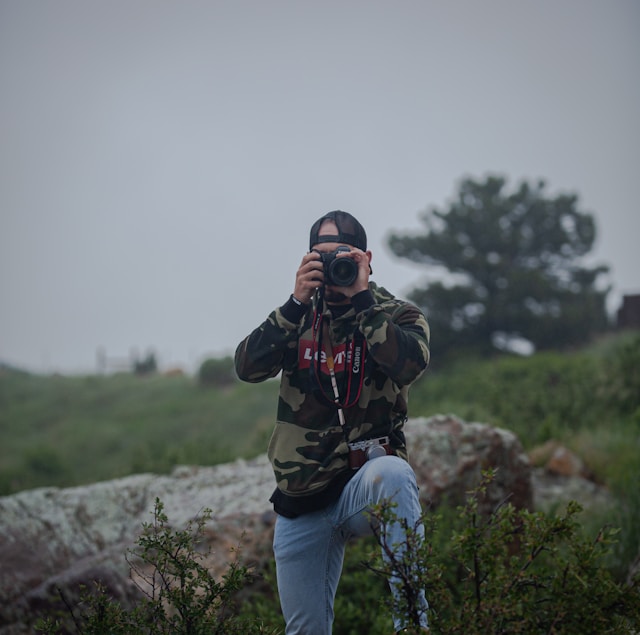
Ultimately, wildlife photography is about connection. It connects the photographer to the natural world through time, patience, and observation, and it connects viewers to wildlife through imagery that evokes curiosity and admiration. By highlighting species like the blue jay, familiar yet extraordinary, photography helps shift perception, reminding people that nature’s beauty exists all around them and is worth noticing, protecting, and preserving.
Follow Michael Brescia’s Blog for More
Michael’s blog highlights his experience as a wildlife photographer. His work has been featured in various workshops and environmental conferences across the United States. He regularly shares in-depth tutorials covering field techniques, equipment selection, and ethical wildlife photography practices.
Through collaborations with conservation organizations, Michael William Brescia helps document and raise awareness of endangered species and vulnerable habitats. His photography emphasizes both technical excellence and environmental storytelling, with the goal of inspiring a deeper appreciation for, and protection of, the natural world.