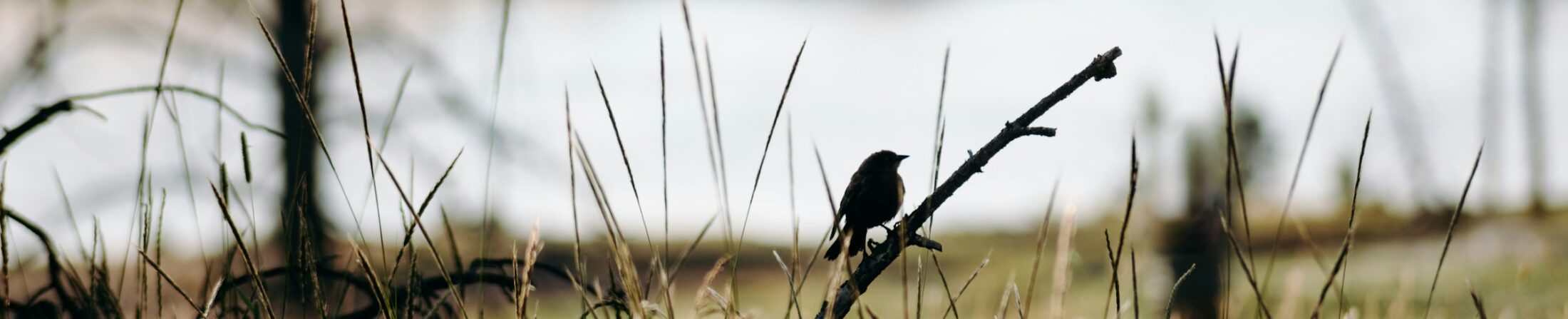
Winter can be one of the most rewarding seasons for wildlife photography. While the cold months bring many challenges, they also offer unique opportunities to capture vividly colored birds, animals and landscapes in dramatic, muted settings. Snow-covered trees, frost-laden shrubs, and gray winter skies create a canvas unlike any other, and with careful planning, photographers can produce compelling, memorable images.
Whether you are a seasoned wildlife photographer or just getting started, winter requires a strategic approach to ensure creative success. In this article, Michael W. Brescia discusses the techniques, gear, and planning strategies to help you make the most of your winter photo sessions.
Winter Wildlife Behavior
One of the first steps to successful winter photography is understanding how wildlife adapts to the season. Many species change their behavior in response to lower temperatures, limited food sources, and shorter days.
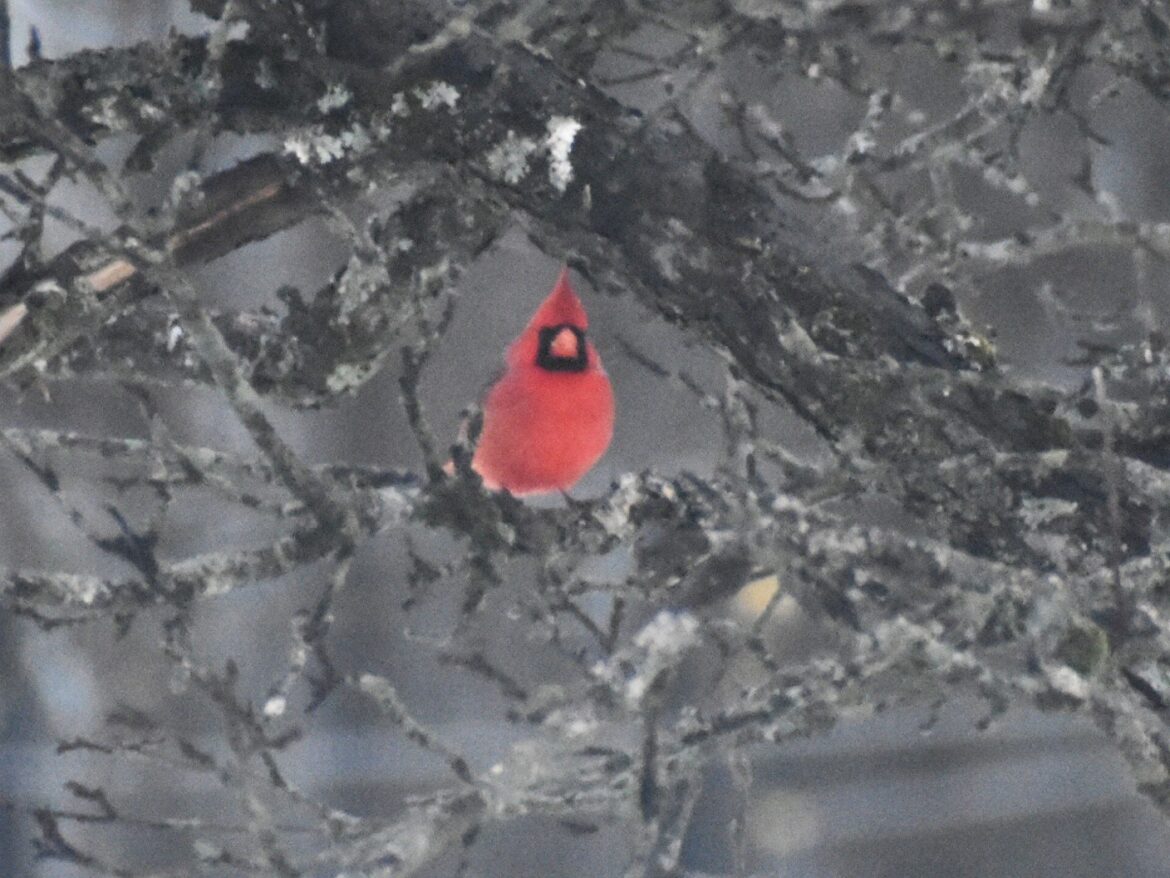
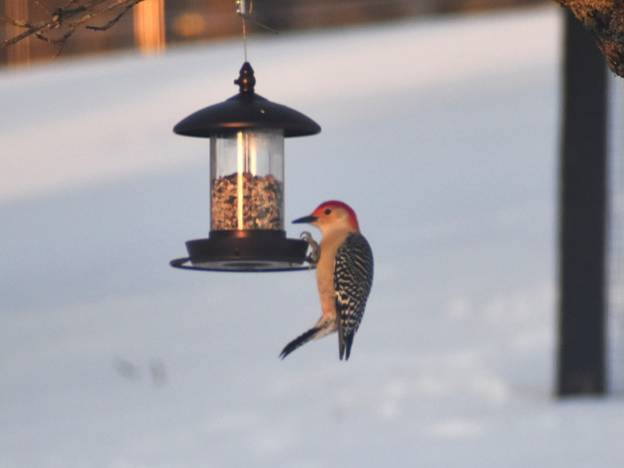
Some migratory bird species leave for warmer climates, while resident birds like chickadees, woodpeckers, cardinals and blue jays remain active. Birds often visit feeders or forage near open water, providing predictable photo opportunities right from your window.
Deer, foxes, and small mammals are generally active during dawn and dusk, when food-seeking behavior is most apparent. Tracks in the snow can help locate areas where animals seem to be lingering.
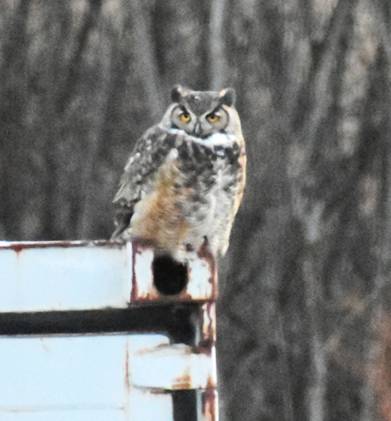
Predators like coyotes and raptors may be easier to spot against snowy backdrops, but they require patience and careful observation to photograph safely.
By researching animal habits in winter and identifying likely habitats you can anticipate where to position yourself for the best shots.
Choosing the Right Gear for Cold Weather
Winter photography requires more than just your usual camera and lens. The cold can affect both your equipment and your comfort, so preparation is key.
Camera and Lenses
DSLRs and mirrorless cameras generally perform well in cold conditions, but battery life is significantly reduced in freezing temperatures. Carry extra batteries in insulated pockets and rotate them as needed.
A telephoto lens (300mm or higher) is essential for photographing wildlife from a safe distance. Fast lenses with wide apertures (f/2.8–f/4) allow more light during shorter winter days.
Accessories
Tripods with sturdy legs that can grip icy or snowy terrain help stabilize your shots. Consider tripod snow shoes for added stability. Lens hoods reduce snow glare, while polarizing filters enhance contrast in snowy or icy landscapes.
Personal Gear
Layered clothing, insulated boots, gloves designed for dexterity, and hand warmers are essential for long hours in the cold. Eye protection, such as sunglasses or goggles, reduces glare from reflective snow and protects your eyes from wind.
Planning Your Shoot
Winter wildlife photography demands careful timing. Light is limited, so making the most of golden hours, shortly after sunrise and before sunset, is critical. Snow and frost can add magic to your shots, but these conditions are often fleeting.
Scout Locations Early
Pre-scout locations in late fall to identify trails, feeding areas, and safe vantage points.
Use wildlife tracking apps or local wildlife reports to find recent sightings.
Weather Considerations
Snowstorms and extreme cold can create dramatic backdrops but also present safety risks. Always check forecasts and be prepared to adjust your plans. Overcast days can reduce shadows and create even lighting, while clear days allow for crisp, high-contrast images against the snow.
Techniques for Capturing Stunning Winter Wildlife Photos
Winter presents both challenges and creative opportunities. Consider these techniques to enhance your photography:
Master Exposure for Snow
Snow can trick your camera’s light meter, often resulting in underexposed images. Use exposure compensation (+1 or +2 stops) to preserve the brightness of snow without losing detail.
Emphasize Color and Texture
Animals with bright plumage, such as cardinals or blue jays, stand out beautifully against a snow-white background. Frost-covered branches, ice patterns, and tracks in the snow provide texture that adds depth to your compositions.
Capture Motion
Shutter speed is crucial. Fast-moving birds or mammals may require 1/1000s or faster to freeze motion, while slower speeds can create artistic motion blur. Panning with running animals can create dynamic shots that convey movement through a winter landscape.
Focus on Eyes and Expression
Close attention to eyes brings emotion and connection to your subject. Even in harsh weather, patiently waiting for an animal to lift its head or glance toward the camera can yield powerful images.
Experiment with Composition
Use leading lines like frozen streams or snow-laden trails to guide the viewer’s eye. Include environmental elements such as trees, rocks, or shadows to create context and balance.
Safety and Ethical Considerations
While winter photography can be exhilarating, safety and ethics should never be compromised. Avoid thin ice, deep snow drifts, or isolated areas without proper preparation. Bring a GPS, fully charged phone, and emergency supplies in case of unexpected conditions.
Ethical Wildlife Photography
Maintain a respectful distance from animals to avoid causing stress or disrupting natural behaviors. Avoid feeding wildlife for photos; rely on natural behaviors and habitats instead.
Follow local regulations for wildlife observation and photography in parks and protected areas.
Sharing Your Shots
Once you capture your images, consider how best to share your work and educate others about wildlife:
- Social media platforms like Instagram and Facebook allow you to connect with fellow wildlife enthusiasts and inspire conservation awareness.
- Local photography exhibitions or community events are great for showcasing your seasonal work.
- Blogs and photography tutorials can teach others about winter techniques, from exposure to tracking and composition.
The Reward of Winter Wildlife Photography
While winter adds logistical challenges, the rewards are immense. Snowy landscapes, crisp light, and unique wildlife behavior combine to create images that are both aesthetically stunning and emotionally compelling.
By planning carefully, using the right gear, understanding animal behavior, and applying thoughtful techniques, photographers can create work that not only captures the beauty of winter wildlife but also encourages appreciation for the natural world.
Winter wildlife photography is about patience, preparation, and perspective. For photographers willing to embrace the cold, it offers a season of inspiration, learning, and unforgettable moments in nature.